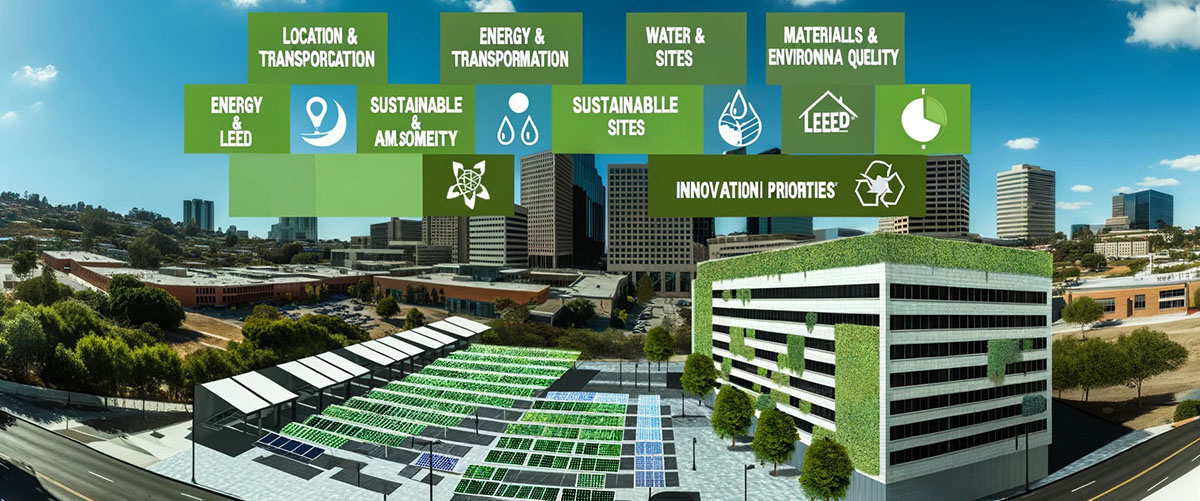
Origin, structure, and current status of the 17 Sustainable Development Goals
The 17 Sustainable Development Goals (SDGs) were adopted on September 25, 2015 by the United Nations General Assembly as the core of the 2030 Agenda for Sustainable Development, with the vote of 193 Member States. The SDGs succeeded the 8 Millennium Development Goals (MDGs) (2000-2015), expanding their scope from 21 targets to 169 targets and from 60 indicators to 231 unique indicators, monitored by the UN Statistics Division. Unlike the MDGs, the SDGs are universal (they apply to all countries, not just developing ones), integrated (they recognize interdependencies between goals), and ambitious (with a 15-year time horizon). The 2023 SDGs Report (UN) revealed that only 15% of targets are on track for achievement, 48% show insufficient progress, and 37% have stalled or regressed, exacerbated by the COVID-19 pandemic, armed conflicts, and the climate crisis.
The 17 SDGs cover five interconnected areas (the 5Ps): People (SDGs 1-6: poverty, hunger, health, education, gender equality, water), Prosperity (SDGs 7-11: energy, work, industry and infrastructure, inequalities, cities), Planet (SDGs 12-15: consumption, climate, oceans, terrestrial ecosystems), Peace (SDG 16: institutions), and Partnerships (SDG 17: alliances). The investment needed to achieve the SDGs in developing countries is estimated at 3.9 trillion USD/year (UNCTAD, 2023), with a financing gap of 2.5 trillion USD/year that widened by 56% after the pandemic. The construction sector — which represents 13% of global GDP, employs 7% of the global workforce, and consumes 36% of final energy — has the capacity for direct impact on at least 9 of the 17 SDGs (UNEP, 2022). The 17 Sustainable Development Goals provide the universal framework for aligning construction activity with global needs.
SDG 7 and SDG 13: clean energy and climate action in buildings
SDG 7 (Ensure access to affordable, reliable, sustainable, and modern energy for all) establishes quantified targets for 2030: double the global rate of improvement in energy efficiency (target 7.3, from 1.3% to 2.6% annually), substantially increase the share of renewable energy in the global energy mix (target 7.2, from 17% to 30%+), and ensure universal access to modern energy services (target 7.1, still 675 million people without electricity in 2023). The building sector consumes 36% of global final energy and can reduce that consumption by 50% through high-performance envelopes (U ≤ 0.15-0.25 W/m²·K), high-efficiency HVAC systems (COP ≥ 4.0 in heat pumps), LED lighting (efficacy > 120 lm/W), and smart energy management. On-site renewable generation — rooftop photovoltaics (150-200 kWh/m²·year in Spain), solar thermal, geothermal — can cover 50-100% of the residual demand of a nearly zero energy building (nZEB).
SDG 13 (Take urgent action to combat climate change and its effects) is directly linked to the 14.8 GtCO₂ emitted annually by the buildings and construction sector globally (UNEP, 2022): 8.6 GtCO₂ from operations (heating, cooling, lighting, cooking) and 6.2 GtCO₂ from material manufacturing (cement, steel, glass, aluminum). To maintain the 1.5°C trajectory of the Paris Agreement, operational emissions from buildings must be reduced by 50% by 2030 and reach net zero by 2050, and material emissions must be reduced by 40% by 2030 (IEA, 2021). The nationally determined contributions (NDCs) of 136 countries include specific measures for the building sector: energy efficiency codes (present in 85 countries), appliance standards (in 120 countries), and energy retrofit programs. Aligning construction with SDGs 7 and 13 requires that every new building be designed as an nZEB and that the renovation rate of the existing stock be tripled from 1% to 3% annually (European Commission, Renovation Wave, 2020).
SDG 11 and SDG 12: sustainable cities and responsible consumption
SDG 11 (Make cities and human settlements inclusive, safe, resilient, and sustainable) directly addresses the built environment. By 2030, targets include: universal access to adequate and affordable housing (target 11.1: currently 1 billion people live in informal settlements), access to safe and sustainable public transport (target 11.2: urban transport generates 40% of cities' CO₂ emissions), inclusive and sustainable urbanization with participatory planning (target 11.3), and significant reduction of the negative environmental impact per capita of cities, with special attention to air quality and waste management (target 11.6). The New Urban Agenda (Habitat III, Quito, 2016) complements SDG 11 with guidelines for compact, connected, integrated, and inclusive cities, with minimum densities of 15,000 inhabitants/km² to make mass public transport viable.
SDG 12 (Ensure sustainable consumption and production patterns) has a direct translation in construction through the circular economy. Construction and demolition generate 374 million tonnes/year of waste in the EU-27, 35% of the total (Eurostat, 2022); target 12.5 calls for substantially reducing waste generation through prevention, reduction, recycling, and reuse. The recycling rate for construction and demolition waste (CDW) in the EU is 47% (with wide variations: 90%+ in the Netherlands and Denmark, 30% in Spain and Portugal), compared to the Waste Framework Directive's target of 70% by 2020 (missed by 12 Member States). Material passports (Madaster, a platform that records the material composition of 50,000+ buildings), design for disassembly (DfD), and life cycle assessments (LCA compliant with EN 15978) are tools that link construction practice to SDG 12 targets. Rigorous application of SDGs 11 and 12 would transform cities from resource sinks into circular metabolic systems with a reduced ecological footprint.
Sector implementation: the SDGs as a strategic framework for construction
Implementing the 17 Sustainable Development Goals in the construction sector requires translating global targets into measurable business actions. The World Green Building Council has mapped the contribution of green building to 9 SDGs: SDG 3 (health: indoor air quality, thermal comfort), SDG 6 (water: water efficiency, reuse), SDG 7 (energy: nZEB, renewables), SDG 8 (employment: green construction generates 10-15% more jobs per million invested than conventional construction, UNEP, 2018), SDG 9 (infrastructure: resilience, innovation), SDG 11 (cities: sustainable urbanism), SDG 12 (consumption: circular economy), SDG 13 (climate: decarbonization), and SDG 15 (ecosystems: biodiversity integration in urban design). Companies such as Skanska, ACCIONA, and Lendlease publish annual SDG alignment reports using GRI (Global Reporting Initiative) indicators that include 36 sector standards with metrics directly linked to SDG targets.
At the regulatory level, the EU has integrated the SDGs into its legal framework through the European Green Deal (2019), the green taxonomy (Regulation 2020/852), and the Corporate Sustainability Reporting Directive (CSRD, 2023), which requires 50,000 European companies to report environmental, social, and governance metrics aligned with the SDGs. In Spain, the 2030 Sustainable Development Strategy (approved in 2021) includes 8 country challenges and 194 lines of action, with an allocated budget of 27 billion EUR from the Recovery Plan for SDG-aligned measures, of which 6.8 billion are earmarked for residential energy retrofit (component 2 of the PRTR). The Sachs et al. (2023, Sustainable Development Report) index ranks Spain 16th out of 166 countries in overall SDG achievement, with a score of 79.9/100 and significant shortfalls in SDG 2 (hunger), SDG 13 (climate), and SDG 14 (oceans). The 17 Sustainable Development Goals are not a rhetorical declaration: they constitute the most comprehensive accountability framework available for measuring progress toward a truly sustainable construction sector.
References
- [1]Transforming Our World: The 2030 Agenda for Sustainable Development — Resolution A/RES/70/1United Nations General Assembly.
- [2]The Sustainable Development Goals Report 2023: Special Edition — Towards a Rescue Plan for People and PlanetUnited Nations. ISBN: 978-92-1-101460-0
- [3]2022 Global Status Report for Buildings and ConstructionUnited Nations Environment Programme. ISBN: 978-92-807-3984-8
- [4]Net Zero by 2050: A Roadmap for the Global Energy SectorIEA.
- [5]Sustainable Development Report 2023: Implementing the SDG StimulusCambridge University Press. ISBN: 978-1-009-21005-8
- [6]A Renovation Wave for Europe — Greening Our Buildings, Creating Jobs, Improving Lives — COM(2020) 662 finalEuropean Commission.
Comments 0
No comments yet. Be the first!
Leave a comment