Ecological Materials in Modern Construction
Sustainable construction has become a market standard, not just a trend. Certified FSC/PEFC timber, recycled aggregate concrete, natural ins...
Sustainable construction has become a market standard, not just a trend. Certified FSC/PEFC timber, recycled aggregate concrete, natural ins...
 69d87574dcbf2f0997628ca1
Sustainable materials selection forms the bedrock of responsible construction practice. This article quantifies the environmental impact of...
 69d87574dcbf2f0997628ca1
Indoor Environmental Quality (IEQ) encompasses 4 measurable dimensions: air quality (CO2, VOCs, PM2.5), thermal comfort (ISO 7730, PMV +/-0....
 69d87574dcbf2f0997628ca1
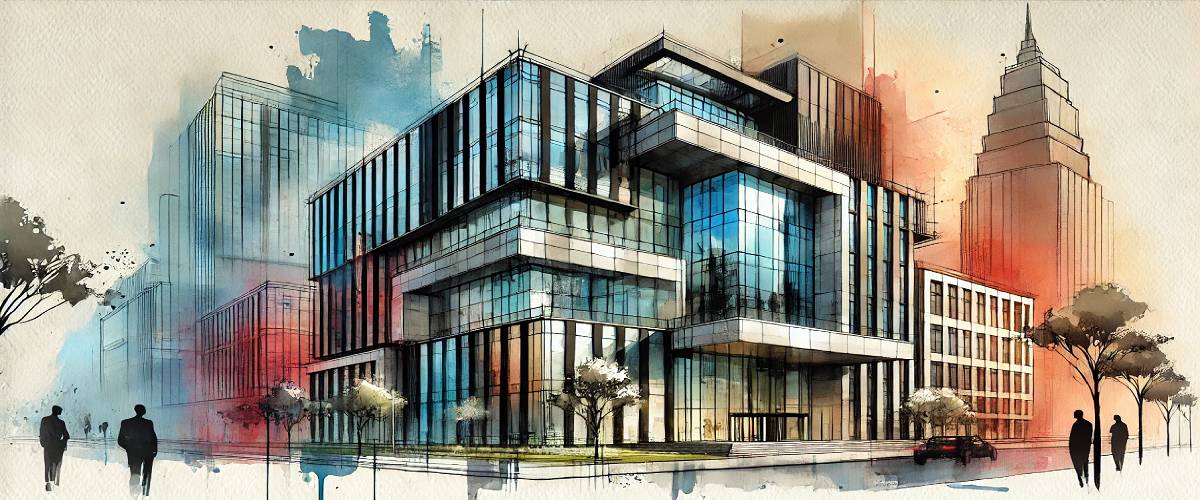
Construction waste reduction and management closes the loop in green building practice. The EU generates over 800 Mt/year of construction an...
 69d87574dcbf2f0997628ca1
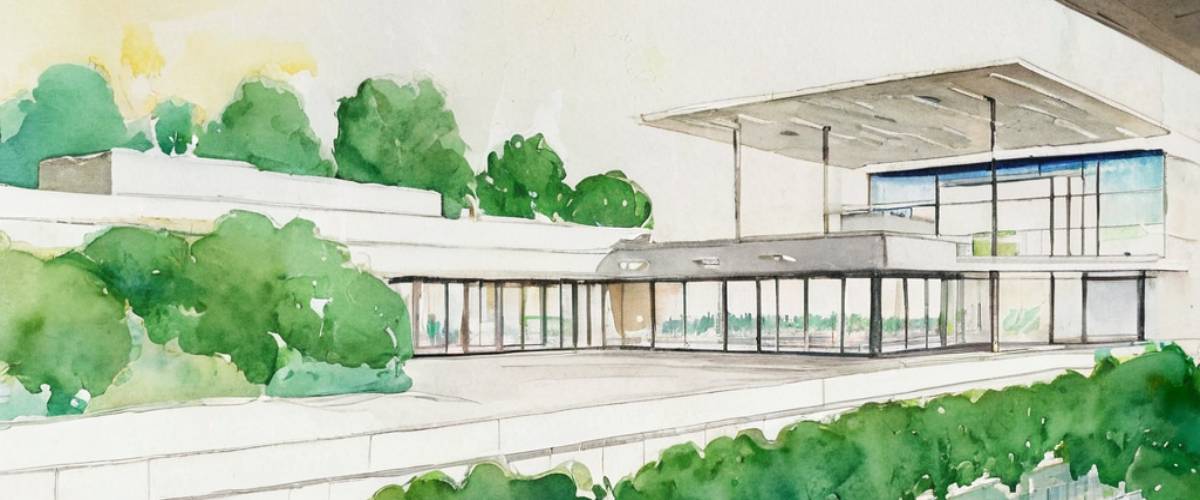
Bioclimatic design adapts architecture to local climate conditions to reduce energy demand by 50-80% through solar orientation, natural vent...
 69d87574dcbf2f0997628ca1
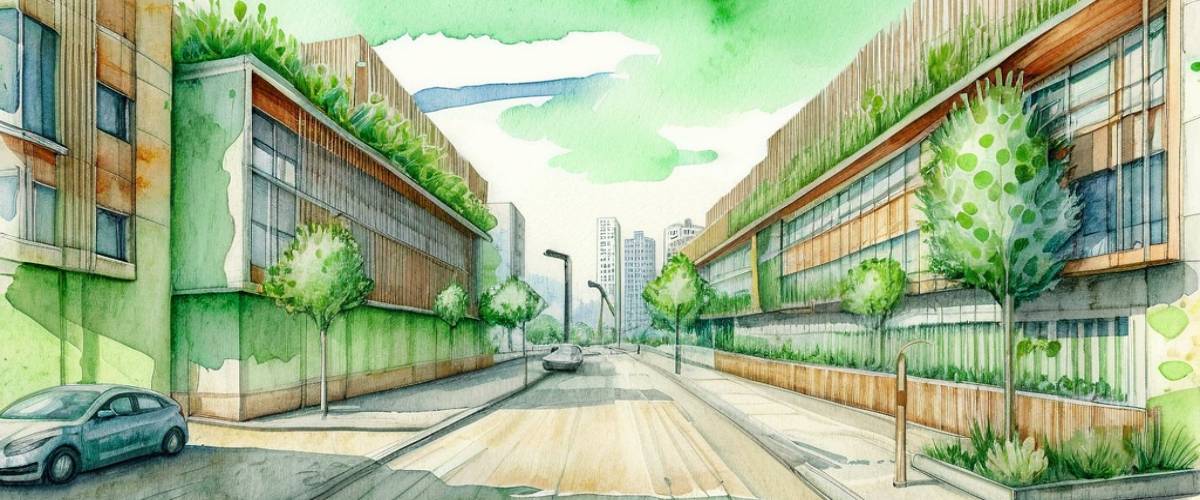
The significance of environmental impact on the built surroundings is measured through altered biodiversity, diverted water flows, sealed so...
 69d87574dcbf2f0997628ca1
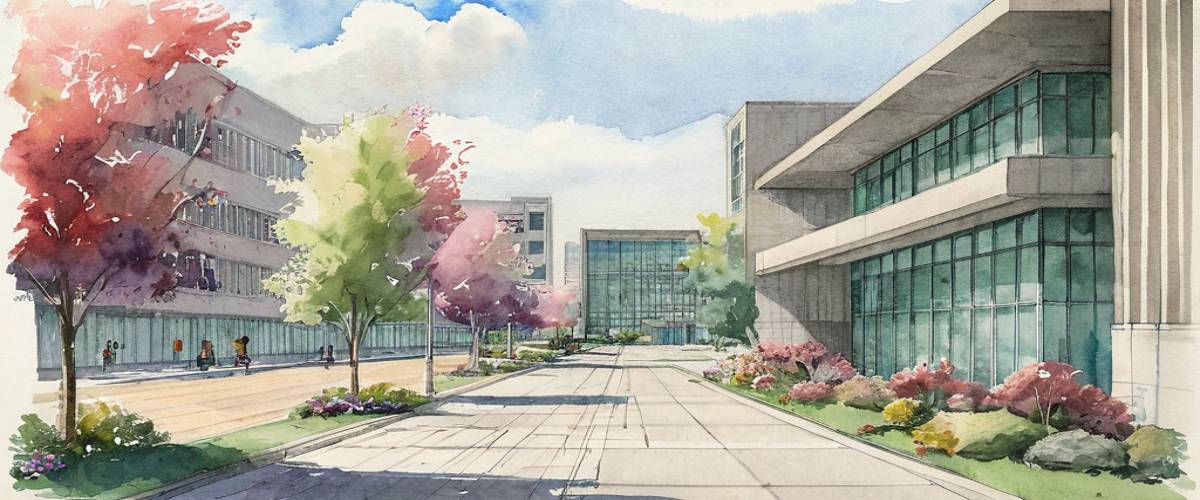
Durability and design flexibility are the two pillars that determine a building's actual service life and its capacity to adapt to change. T...
 69d87574dcbf2f0997628ca1
Water conservation and management in green construction encompasses low-flow fixtures (40-60% savings), rainwater harvesting (100-800 l/m2 p...
 69d87574dcbf2f0997628ca1
Passive systems in green architecture reduce energy demand by 50-90% without mechanical equipment, through solar orientation, thermal mass,...
 69d87574dcbf2f0997628ca1
Renewable energy is driving green construction toward a sustainable future through photovoltaics (LCOE of 30-50 EUR/MWh), solar thermal, air...
 69d87574dcbf2f0997628ca1
Energy efficiency is the fundamental basis of green construction: buildings consume 40% of the EU's final energy and generate 36% of CO2 emi...
 69d87574dcbf2f0997628ca6
The global green building market will reach a value of 610 billion USD by 2027, with a compound annual growth rate of 10.3% from the 365 bil...