Non-carbon atmospheric impacts of material transport
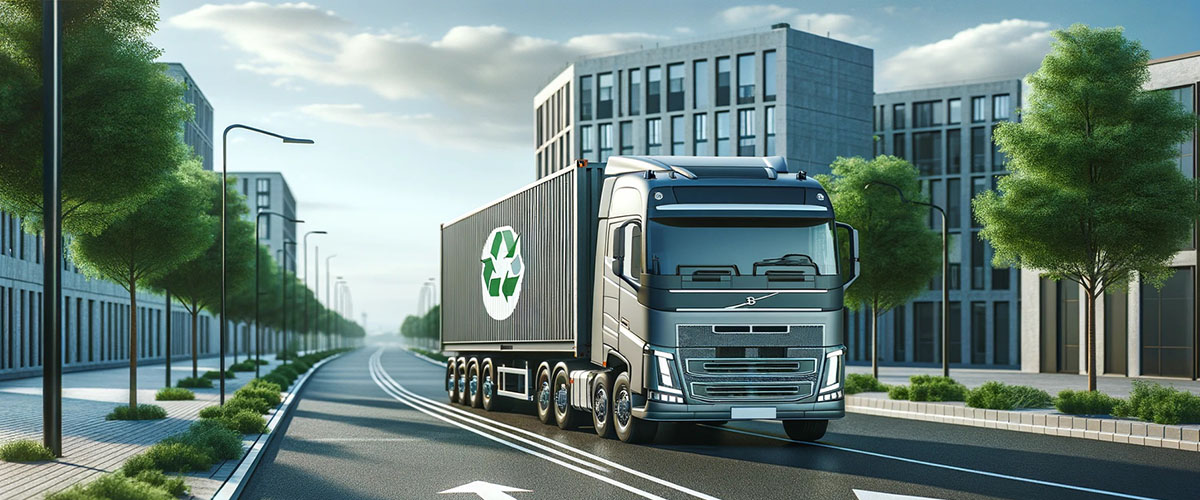
The transport of construction materials generates atmospheric impacts that go beyond carbon and CO₂ emissions. Suspended particulate matter PM2.5 and PM10, originating from tyre and brake wear and the resuspension of dust on unpaved roads near construction sites, accounts for 26% of total particulate emissions from road transport in Europe according to the European Environment Agency (2023). A 32-tonne truck loaded with aggregates emits between 0.15 and 0.22 g/km of PM10 from mechanical wear alone, excluding exhaust emissions. In urban areas with active construction sites, PM2.5 concentrations can exceed 35 μg/m³ — the daily limit recommended by the WHO — on more than 40% of working days.
Nitrogen oxides (NOx) represent another critical pollutant from the transport of sustainable materials. Euro V diesel trucks, which still make up 38% of the heavy vehicle fleet in Spain according to the DGT (2023), emit between 7 and 11 g/kWh of NOx, levels that contribute to the formation of tropospheric ozone and acid rain. NO₂ concentrations on access roads to major construction sites can reach 80 μg/m³, double the EU annual limit value (40 μg/m³). Strategies such as using Euro VI trucks (emissions below 0.4 g/kWh of NOx) and fleet electrification for last-mile journeys under 100 km have demonstrated 85% NOx reductions in Volvo Trucks pilot projects in Gothenburg during 2022-2023.
Noise pollution and vibrations in construction transport
The noise pollution generated by construction material transport directly affects the health of more than 22 million people in the EU who live near roads with frequent heavy traffic, according to the European Environment Agency (2022). A concrete mixer truck in transit generates noise levels of 82-88 dB(A) at 7.5 metres distance, while loaded dump trucks carrying rubble reach 90 dB(A), far exceeding the 65 dB(A) threshold identified by the WHO as harmful to cardiovascular health. Epidemiological studies by the Karolinska Institute (2021) associate chronic exposure to levels above 70 dB(A) with a 9% increase in the risk of cardiovascular disease.
Vibrations transmitted by heavy vehicles loaded with materials are an additional and poorly regulated impact. A 40-tonne truck travelling at 50 km/h generates ground vibrations of between 0.5 and 3 mm/s peak particle velocity (PPV), measured at 10 metres from the road centreline. Although below the structural damage threshold (5 mm/s per the DIN 4150-3 standard), these values can cause perceptible discomfort in residential buildings and worsen settlement problems in clayey soils. In Amsterdam, the municipal Clean Construction Logistics programme has required since 2022 that construction vehicles use low-vibration tyres and travel at a maximum of 30 km/h in residential areas, achieving vibration reductions of 35% according to measurements by TNO (Netherlands Organisation for Applied Scientific Research).
Water pollution and microplastics from transport
The transport of construction materials contributes to water pollution through multiple vectors: fuel spills, load leachate and the release of microplastics from tyre wear. The IUCN (2017) estimates that tyre wear generates between 0.5 and 6.9 million tonnes annually of rubber particles worldwide, of which 43% end up in water bodies. Heavy trucks used in construction, fitted with 12 to 22 tyres per vehicle, shed approximately 1.5 kg of rubber per 10,000 km, a rate 70% higher than passenger cars due to the greater weight per axle.
Accidental spills of loads during the transport of construction chemicals — concrete admixtures, sealants, paints, solvents — affect 62% of European river basins near areas with intense construction activity, according to a study by the European Chemicals Agency (ECHA, 2022). A single spill of 200 litres of plasticizer admixture can contaminate up to 50,000 m³ of surface water above the limits of the Water Framework Directive (2000/60/EC). Mitigation measures include the mandatory use of ADR-certified containers (European Agreement Concerning the International Carriage of Dangerous Goods by Road), double containment systems and retention platforms with a minimum capacity of 110% of the transported volume, already mandatory in Denmark, Sweden and the Netherlands.
Integrated multi-pollutant mitigation strategies
Effective mitigation strategies address multiple pollutants simultaneously beyond carbon. The FORS (Fleet Operator Recognition Scheme) certification, with more than 5,300 accredited operators in the United Kingdom in 2023, requires construction material carriers to implement management plans covering atmospheric emissions, noise, vibrations and spill risk. Operators holding FORS Gold certification have demonstrated reductions of 15% in PM10, 12% in NOx and 20% in spill incidents compared to uncertified operators, according to independent audits from 2022.
Partial fleet electrification for short distances delivers multi-pollutant benefits: electric trucks such as the Volvo FE Electric and DAF CF Electric, with ranges of 200-300 km, completely eliminate exhaust emissions (NOx, PM, CO₂) and reduce exterior noise to 72 dB(A), 15% lower than their diesel equivalents. In Oslo, contractor Veidekke deployed a fleet of 8 electric trucks in 2022 for material transport in urban projects, eliminating 430 tonnes of CO₂, 1.2 tonnes of NOx and reducing neighbourhood noise complaints by 64% during the first year of operation. The total cost of ownership (TCO) of these vehicles will reach parity with diesel before 2026, according to BloombergNEF projections, which will accelerate their adoption in the sustainable construction sector.
References
- [1]Air Quality in Europe 2023EEA. ISBN: 978-92-9480-596-8
- [2]Primary Microplastics in the Oceans: A Global Evaluation of SourcesIUCN. ISBN: 978-2-8317-1827-9
- [3]Mapping the Chemical Universe of Construction ProductsECHA.
- [4]Environmental Noise Guidelines for the European RegionWHO Regional Office for Europe. ISBN: 978-92-890-5356-3
- [5]Electric Vehicle Outlook 2023 — Commercial VehiclesBloomberg LP.


Comments 0
No comments yet. Be the first!
Leave a comment